

Cannabis Usage in the Workplace
Balancing employees’ rights while protecting your business and ensuring a safe working environment.
By Jennifer Lesser, Contributing Writer On May 6, 2025Since the legalization of cannabis in 2021, employers have been grappling with how to maintain a safe and productive work environment while still protecting their employees’ rights to use cannabis when they aren’t at work. Due to ever-changing laws and regulations – and the nature of the drug itself – it has been a challenge for many employers to establish drug testing and other protocols that ensure employees are not impaired on the job.
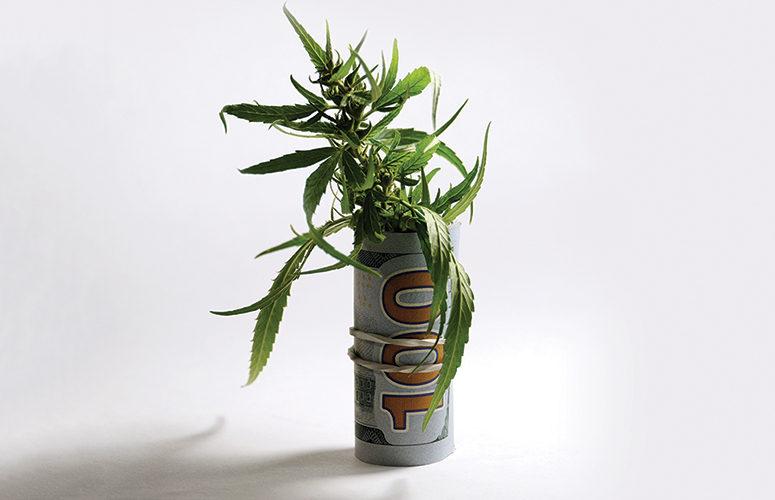
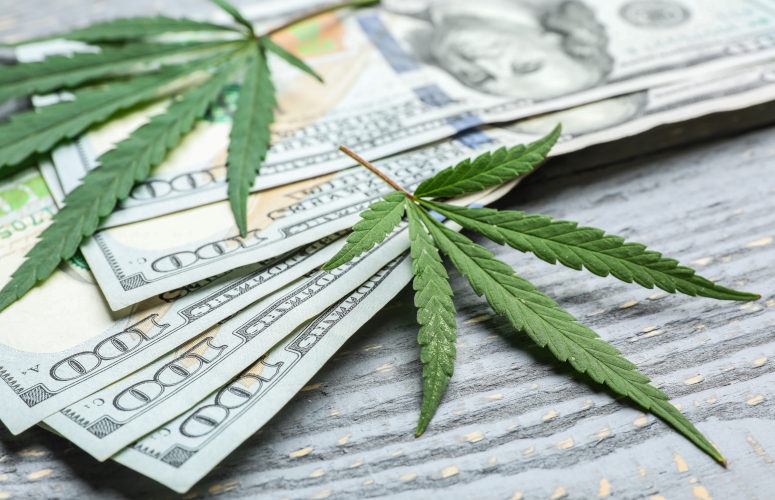
“In 2024, the state of New Jersey reached a billion dollars of revenue in cannabis, which is up 25% from 2023,” says Denis Connell, co-founder of Advanced Training Products (ATP), an Avon-based company that provides impairment risk management solutions for businesses. “So, when employers ask me if cannabis is a potential problem within their organization, there’s a billion reasons why I’m going to say that the answer is probably ‘yes.’”
Connell and co-founder Jim Coyle formed ATP shortly after the passage of the CREAMM Act in 2021, which legalized cannabis, but also changed employer’s legal responsibilities and duties when it comes to determining workplace impairment. “From the start, we’ve taken a more broad and holistic approach that’s consistent with the spirit of the law. By focusing on workplace impairment and safety, instead of being anti-cannabis, we believe employers can meet their legally mandated requirements, protect their businesses, and at the same time, respect employees’ rights outside the workplace,” Connell says.
Workplace Policies
According to Lauren Iannaccone, a partner at the law firm of Connell Foley, despite the legalization of marijuana in the state under New Jersey’s Cannabis Regulatory, Enforcement Assistance, and Marketplace Modernization Act, employers have the ability to create policies making it clear that the use, consumption, being under the influence, possession, transfer, display, transportation, sale, or growth of cannabis or cannabis items in the workplace is prohibited.
“The issue of cannabis in the workplace is a ‘tale-as-old-as-time’ situation. The problem is the legalization of cannabis now puts a burden on employers to try and decipher whether an employee is impaired during work hours,” Iannaccone says, noting that a standard drug test via a urine sample will not inform employers of current impairment. As a result, the state of New Jersey now also requires an objective reasonable suspicion test.
“This physical evaluation should be based on evidence-based protocols for documenting observed behavior and physical signs of impairment to assess whether there is a reasonable suspicion of current impairment,” she explains. “Without this physical evaluation, companies should not take any adverse employment action based on alleged cannabis impairment.”
Lindsay Dischley, practice group leader of CSG Law’s Employment Law Group, agrees that the primary impact on employers since the legalization of marijuana has been their drug testing procedures. “Many employers who were previously testing for cannabis have been taking those tests out of their pre-employment drug screenings as well as any random testing because we know that the drug remains detectable in the body for so long,” she says. However, employers are still entitled to have a zero-tolerance policy if they so choose – and private employers that are subject to federal regulations are required to do so since cannabis has not been legalized at the federal level.
Joshua Bauchner, partner and chair of the Cannabis, Hemp and Psychedelics practice at Mandelbaum Barrett PC in Roseland, says the distinction between impairment and intoxication is among the most significant issues for employees since the legalization of marijuana in New Jersey. Unlike testing for alcohol intoxication with a breathalyzer test or via blood alcohol levels, cannabis remains detectable in the body for a significantly longer period of time – in some cases, up to 90 days. “If you consumed cannabis on Friday night to relax after the workweek, on Monday morning you will still likely be intoxicated, but you won’t be impaired – so the challenge has now become: How do you determine if someone is impaired in the workplace?” he says.
Medical Use
Another issue lies in the difference between medicinal and recreational use of marijuana. At the federal level, cannabis is still considered a narcotic with no medicinal value, but in New Jersey that’s not the case – so state laws have built in protections through the ADA for those who are using it for medicinal purposes. “You have to be very careful when questioning an employee about medical marijuana usage, because then you’re getting into some potential medical privacy issues,” Bauchner says.
However, a December 2024 legal decision has determined that employers may not be as at risk for legal action after taking adverse action against an employee or job applicant suspected of cannabis usage. “Even if an individual has technically been discriminated against, the law now states they don’t have a private right of action to sue,” Bauchner explains.
Dischley notes that employers are also waiting for the law and regulations to catch up in terms of how to go about determining if an employee is impaired in the workplace. Currently, it’s required for employers to have a WIRE (Workplace Impairment Recognition Expert) who has received education and training in detecting and identifying an employee’s potential impairment from a cannabis item or other intoxicating substance. “In theory, it sounds great because the concept is that this individual is present in the workplace to make these determinations, but the problem is there’s not a lot of guidance for exactly how these individuals should be trained,” she says.
“Whether you’re a three-person landscaping company or a pharmaceutical company with 400,000 employees, employers are supposed to have this trained WIRE on staff to make the determination if an employee is impaired,” Bauchner adds. “One problem is that this person might be looking for symptoms like bloodshot eyes or a runny nose, and they have to determine if that person is impaired from cannabis usage or if that person might just have a cold.”
Dischley advises that anyone making these sorts of determinations should be removed from an employee’s direct line of control or supervision, which is often a challenge with smaller employers.
Looking ahead, businesses are recognizing that the issue of cannabis use is one that’s here to stay, and they are increasingly focusing on compliance and how to harmonize workplace safety and protecting their business with respecting their employees’ rights.
To access more business news, visit NJB News Now.
Related Articles:
- Accounting
- Artificial Intelligence
- Banking / Financial
- Coronavirus
- Diversity
- Economic Development
- Economy
- Energy
- Environment
- General Business
- Government
- Healthcare
- High-Tech
- Higher Ed
- Infrastructure
- Labor
- Law
- Life Sciences
- Manufacturing
- Meeting Places
- Mergers & Acquisitions
- New Hire/Promotion
- Philanthropy
- Real Estate
- Science & Technology
- Small Business
- Tourism
- Transportation
- Workforce Development
- Special Sections
- Sponsored Content
