



Survey: Homeowners Remain Optimistic about Purchasing Homes
On Jul 10, 2024According to TD Bank’s recent 2024 Mortgage Service Index survey, the majority of homeowners (67%) feel that purchasing a home is still attainable and 38% say they’re likely to purchase a home in the next year, showing positive views in the housing market amid rising prices and current interest rates.
TD Bank’s 2024 Mortgage Service Index surveyed more than 1,800 homeowners across the country to gather insights and analyze perceptions around the homebuying and mortgage experience, as well as attitudes around the housing market.
The survey also found that optimism is reflected even more so among younger generations, as 84% of Gen Z and 68% of Millennials say purchasing a home still feels attainable despite the rising cost of homeownership. Optimism wavered just slightly among Gen Xers with 66% feeling that purchasing a home was attainable, followed by 59% of Baby Boomers. As US existing home sales reached a nearly 20-year low in 2023, these sentiments highlight a sense of hope among home buyers.
“Although many of the challenges impacting homeownership are leaving some homeowners weary about the market, it’s great to see borrowers, especially younger generations, remaining steadfast in navigating the market to find a home that works for them and their budgets,” said Steve Kaminski, Head of US Residential Lending for TD Bank. “Owning a home is still an important wealth vehicle for any generation and it’s reassuring that homeowners continue to see the value in this type of investment.”
As a result of lower inventory levels in several markets, many of those searching for a home have re-evaluated their budget and savings expectations. Among respondents who plan to stay in their current home for less than three years, nearly three-quarters (73%) increased their initial housing budgets, underscoring mismatched expectations in the cost of homeownership. Primary reasons for the increase included: significantly rising home prices in their desired area (45%), high interest rates (31%) and a lack of options within their price range (31%).
The increasing costs of homeownership are not only impacting housing budgets – they are also reshaping how homeowners manage their finances and make long-term financial plans. Homeowners reported experiencing cost increases in utilities (83%), home insurance (81%), property taxes (81%) and repairs (74%). These rising expenses are putting pressure on personal finances, as 70% of homeowners indicate that the cost of homeownership has impacted their ability to save or budget effectively.
The financial strain has broader implications as well, including impacting homeowners’ ability to contribute to their savings accounts (33%) or 401(k)s (16%), as well as budget for “fun” (33%), travel (33%) or monthly expenses (27%). More than one in five (22%) also said the cost of homeownership has impacted their ability to invest. And one-third of homeowners (32%) have reduced or stopped contributing to retirement savings to save for a down payment or home budget. This trend is particularly prevalent among younger homeowners; three in five Gen Z homeowners (59%) have lowered or stopped their 401(k), IRA or other retirement account contributions, followed by 38% of Millennials as they save for a down payment or home budget.
Rather than purchasing new homes, many homeowners are focusing on enhancing their current living spaces, with 25% of homeowners planning to stay in their current homes forever. Additionally, most homeowners (73%) plan to embark on home renovations in the future, with 28% planning to start within the next year. Over seven in ten (72%) indicate they are currently looking for more space in their home, and 39% would consider building an addition onto their existing home rather than moving for more space, given current interest rates.
Eighty percent of Gen Z respondents put down less than 20% for a down payment, compared to 77% of Millennials, 60% of Gen X and 44% of Baby Boomers.
“It’s encouraging so many homeowners understand that 20% down is not the only option, with many lenders offering low-down payment products and down payment assistance programs,” said Kaminski. “As younger generations grapple with historically high home values coupled with larger financial responsibilities and a higher cost of living, it’s important to make every dollar count. Speaking with a mortgage professional early on may not only help save money on a down payment but may also help buyers better prioritize and plan for other financial goals.”
As rates remain higher for longer, with the Federal Reserve considering cuts later this year, the survey found that 42% of Gen Z said they had interest rates of 5.00% or higher, followed by Millennials (35%), Gen X (30%) and Baby Boomers (30%).
More than half of homeowners (54%) did not report using a rate buydown when purchasing their homes. However, 42% of homeowners found using a rate buydown helped lower their housing costs, demonstrating that buyers are looking for ways to make homeownership more affordable.
This report presents the findings of a CARAVAN® survey conducted by Big Village Insights among a sample of 1,806 U.S. homeowners who purchased a home within the past 10 years and acquired a mortgage when they bought their most recent home. The survey was conducted from May 28 to June 9, 2024.
To access more business news, visit NJB News Now.
Related Articles: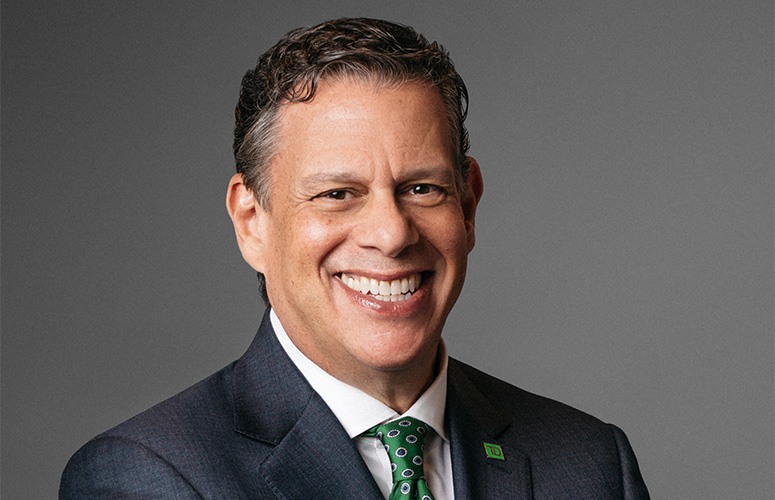


- Accounting
- Artificial Intelligence
- Banking / Financial
- Coronavirus
- Diversity
- Economic Development
- Economy
- Energy
- Environment
- General Business
- Government
- Healthcare
- High-Tech
- Higher Ed
- Infrastructure
- Labor
- Law
- Life Sciences
- Manufacturing
- Meeting Places
- Mergers & Acquisitions
- New Hire/Promotion
- Philanthropy
- Real Estate
- Science & Technology
- Small Business
- Tourism
- Transportation
- Workforce Development
- Special Sections
- Sponsored Content
