
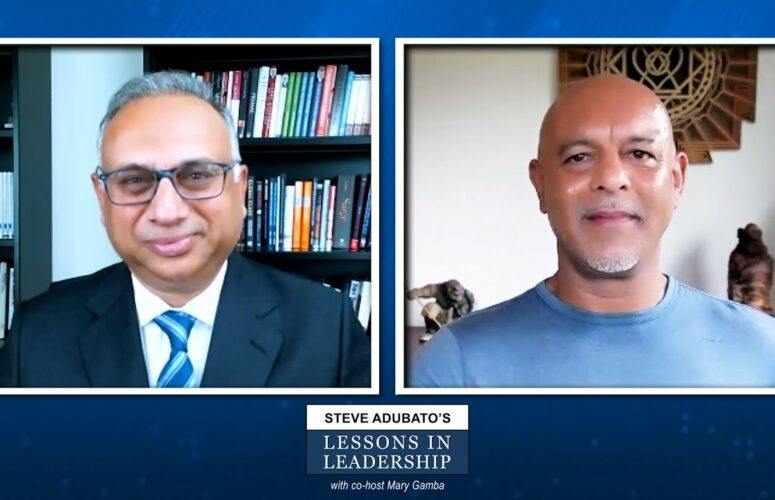
Steve Adubato’s Lessons in Leadership: Leading a Negotiation
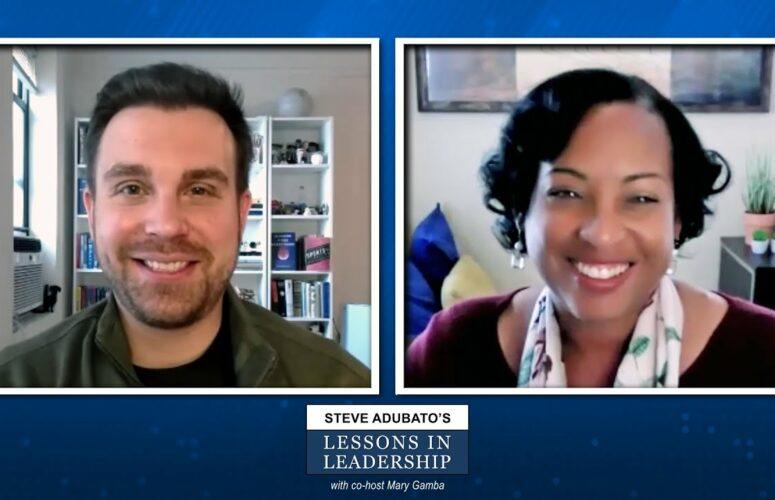
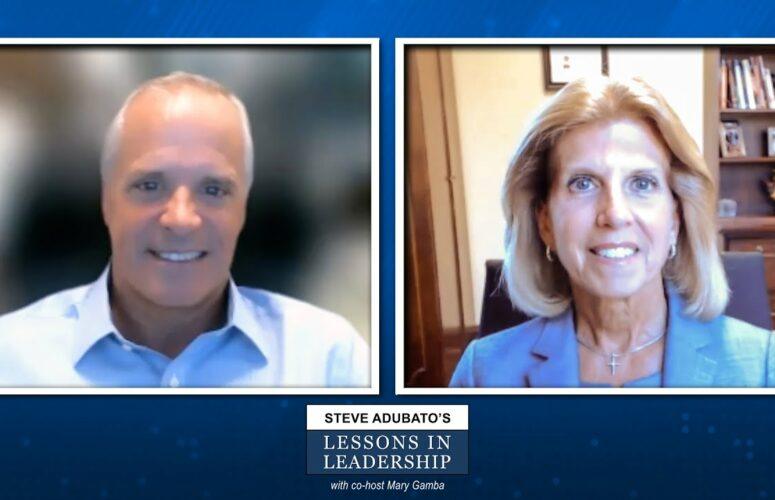
By Steve Adubato, PhD On Apr 22, 2025In this special “Media Leadership” edition of Lessons in Leadership, Steve Adubato is joined by Gerald D’Ambra, Founder and Managing Partner, and Lisa Marie Falbo, Founder and Managing Partner, Media First Group, to talk about the future of media and the importance of leadership and collaboration in a constantly changing media landscape. Then, Steve and Mary Gamba talk with Lori Roth, Global Managing Partner, Prager Metis CPAs, about the importance of coaching and mentoring your team and providing development and growth opportunities.
Everyone negotiates. Whether at work with business partners, clients, or prospects, or in our personal lives with our significant other, our friends, or our children, negotiation is a part of life. It could be a negotiation over the details of a contract, a discussion about a salary in a job interview, or a give and take with a teenager over a curfew.
However, too often, we negotiate without a clear communication game plan or strategy. We don’t practice or consider the techniques and tools necessary to be effective in the negotiation game. With this in mind, consider some tips and tools before you attempt to lead a negotiation:
- Do your research. Prepare by doing a deep dive into the relevant details of the negotiation, so you that you understand your counterpart’s needs. Preparation also involves defining goals and priorities. Ask yourself what you want to achieve and what is non-negotiable. Also, plan for the most likely questions you will be asked and potential push back you may receive so that you have back up plans and strategies if and when an issue arises.
- Practice. Very few people take the time to role play a negotiation by sitting down with a colleague or friend to work through what the negotiation may look like. Have the other person challenge you with some anticipated questions or objections so you can practice your prepared responses while managing your emotions, especially if the person you will be negotiating with has an aggressive or competitive communication style. The more you practice “game-like conditions,” and then do post-game analysis, the better off you will be when the negotiation game is on for real.
- Think relationships, not transactions. In a negotiation, we often get caught up in the moment and lose sight of the bigger picture. Effective negotiators are constantly working at building good relationships by adding value to the other party. This can be done by reaching out to offer a service or advice at no cost. Or, by checking in to see how you can be helpful when a problem arises. By keeping in touch and building good will, it will help foster a strong relationship before the time comes to negotiate a future deal.
- Focus on the “why”. Prepare three open-ended questions that start with “why”. If you know you are not going to be able to give the other party exactly what they want (which is the norm), ask them WHY it is so important to them. And then LISTEN to the answer. They are likely to share some other very important things they are looking for that weren’t even on the negotiating table. This will allow you to help them achieve those goals, thereby making their initial request (or demand) less significant. The key is to constantly be thinking about other ways to help them achieve their bigger picture objectives.
- Communicate clearly, concisely, and respectfully. When it comes to a negotiation, be intentional with your words and messaging so that you are sure you stay on target with your goal. Never allow a negotiation to get so personal that the other party frustrates you until you lose your cool. No matter what happens in a negotiation, remain calm at all times. Present your points concisely and assertively without being aggressive and be sure to use active listening by paying close attention to what the person is saying both verbally and nonverbally. To truly build trust with others, we must maintain our composure while empathizing and remaining open-minded to other points of view.
- Accounting
- Artificial Intelligence
- Banking / Financial
- Coronavirus
- Diversity
- Economic Development
- Economy
- Energy
- Environment
- General Business
- Government
- Healthcare
- High-Tech
- Higher Ed
- Infrastructure
- Labor
- Law
- Life Sciences
- Manufacturing
- Meeting Places
- Mergers & Acquisitions
- New Hire/Promotion
- Philanthropy
- Real Estate
- Science & Technology
- Small Business
- Tourism
- Transportation
- Workforce Development
- Special Sections
- Sponsored Content
