


Steve Adubato’s Lessons in Leadership: Leading Business Development
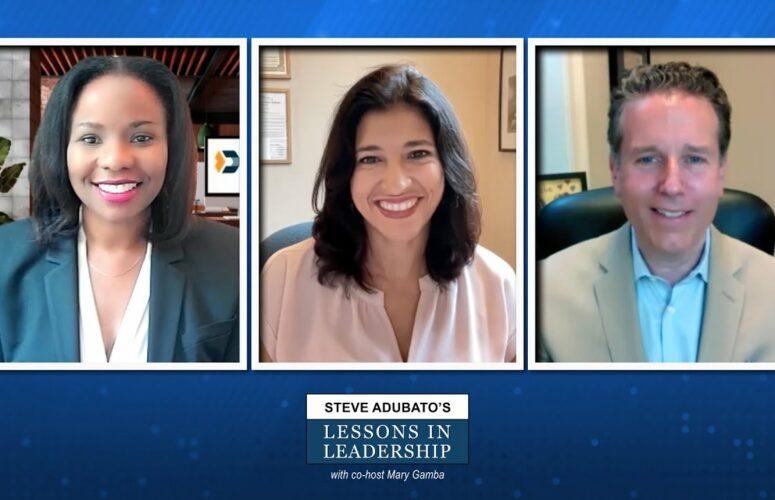
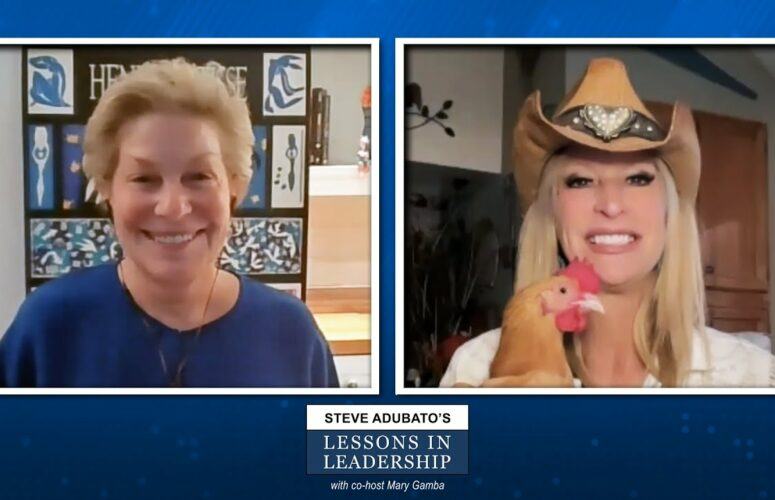
By Steve Adubato, PhD On Mar 21, 2025In this episode of Lessons in Leadership, Steve Adubato and Mary Gamba talk with Cecilia McKenney, SVP & Chief Human Resources Officer, Quest Diagnostics, about the keys to recruiting, training, and retaining a talented workforce. Then, as part of the “Leaders in Law” special series, Steve talks with Essex County Prosecutor, Theodore N. Stephens II, about his judicial career and his advice for those pursuing a career in law.
A lot has changed when it comes to leading business development, especially more than five years after the COVID-19 pandemic. Whether you are the CEO of a large firm or an entrepreneur just launching a small startup, we have all had to adapt, pivot, and think on our feet as we have navigated these uncharted waters.
There are some tried and true approaches to successful business development that have stood the test of time when it comes to truly connecting with your customers, clients, and key stakeholders. Exceptional and empathetic communication, attentiveness, engaged listening, and approaching every customer or client interaction as an opportunity to exceed expectations will never go out of style. However, given that a lot of the work we do is now taking place in a remote setting, and Artificial Intelligence has found its way into our lives, the best leaders are truly embracing new approaches to build relationships and close deals. With this in mind, consider the following tips to leading business development in this ever-changing world:
- Technology is great, but don’t let it get in the way of the personal touch. Too many things in our world have become automated. We tend to send an e-mail, text, or other electronic message too quickly, which results in a long string of back-and-forth e-mails to get clarification. Often, things are misread or misinterpreted. Or worse, the e-mail or message is overlooked completely. When it comes to business development, nothing can replace having a personal interaction, even if just by phone or a virtual meeting. It makes people feel special. Or better yet, schedule time for a coffee meeting as the payoff will be worth it.
- Foster a culture of collaboration and transparency. Effective business development relies on teamwork and alignment. Encourage a culture of collaboration within your organization, where communication flows freely and team members are aligned on common goals. Be sure to clearly communicate when setting expectations and be transparent in how decisions are made and how those decisions may impact the future of the organization. When everyone is on the same page and working together, it creates a powerful foundation for successful business development.
- The customer is always right. When a client has an issue or concern, see it as an opportunity to make things right. Sometimes this means that you must assume some responsibility by saying something like: “I’m terribly sorry. I must have misunderstood our last conversation. I thought we agreed that I would have your order to you by Friday.” By taking on some of the blame, it often softens the other person, and you can more quickly come to a resolution. Also, be sure to agree on next steps and put it in writing so that expectations and deliverables are outlined clearly.
- Stay agile and embrace change. Business leaders need to stay ahead of the curve. Post-pandemic business development requires adaptability and flexibility. Be ready to pivot your strategies, when necessary, and embrace innovation and explore new opportunities as they come. It is essential to be open to feedback from your team and/or clients and use that feedback to refine your approach. Letting those around you know that you want to hear their input fosters an environment of trust.
- Always remember…It’s about THEM. Get prospects talking about their world, their needs, and their goals. Too often, we go into an interaction with a list of items we want to “sell” or share about our organization and how great we are, when instead we should start by asking open-ended questions and then listening to the prospect’s needs. By avoiding a hardcore sales pitch, the prospect feels like you are truly listening to them. When this happens, you are better equipped to provide them with the right products and services.

- Accounting
- Artificial Intelligence
- Banking / Financial
- Coronavirus
- Diversity
- Economic Development
- Economy
- Energy
- Environment
- General Business
- Government
- Healthcare
- High-Tech
- Higher Ed
- Infrastructure
- Labor
- Law
- Life Sciences
- Manufacturing
- Meeting Places
- Mergers & Acquisitions
- New Hire/Promotion
- Philanthropy
- Real Estate
- Science & Technology
- Small Business
- Tourism
- Transportation
- Workforce Development
- Special Sections
- Sponsored Content
