

Where the Jobs Are – and Aren’t
By Elissa Frank, Executive Director of Focus NJ On Mar 31, 2025New Jersey’s labor market is a paradox. Despite increased hiring and a steady unemployment rate, job creators in key industries still struggle to find qualified workers to fill open positions.
In December 2024 (the most recent data available at this writing), the state’s unemployment rate was 4.6%, with nonfarm employment increasing by 7,200 jobs that month to a seasonally adjusted total of 4,396,600.
According to the US Bureau of Labor Statistics, there were 220,000 unemployed individuals actively seeking work in New Jersey in December, and 193,000 job openings. This means that, notwithstanding nonfarm employment increasing by 7,200 jobs, there were still 29,000 more job seekers than available jobs. Notably, this data does not account for skill mismatches, location constraints, or industry-specific shortages.
Certain industries are facing acute labor shortages. The healthcare sector, for instance, is confronting a significant deficit in nursing staff. Based on 2023 data from the New Jersey Collaborating Center for Nursing, there were 3,005 registered nurses seeking employment, and 6,849 unique (deduplicated) job postings. This means that the number of available positions for RNs is more than double the number of job seekers.
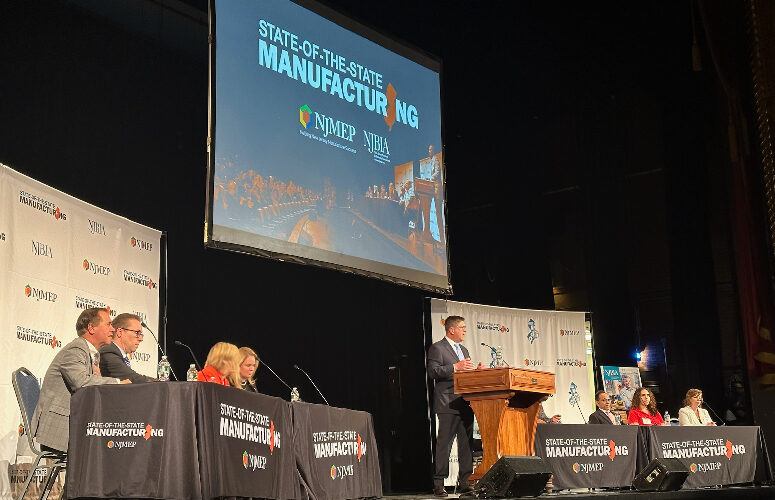
The manufacturing industry is also experiencing hiring challenges. A study by ECI Software Solutions examining supply and demand for the 20 most sought-after manufacturing jobs found a significant labor shortage. While 995 positions were available in New Jersey, only 140 people were actively seeking employment for those jobs, highlighting the sector’s growing talent gap.
Several factors contribute to these labor shortages. Demographic shifts, such as the retirement of Baby Boomers, declining birth rates, and historically low labor force participation, are leading to a significant reduction in the available workforce. A report by Lightcast predicts a deficit of 6 million workers nationwide by 2032 due to these trends.
In summary, while New Jersey’s unemployment rate remains steady, employers in critical industries are contending with significant labor shortages. Addressing these challenges will require strategic workforce planning, investment in training programs, and policies aimed at attracting and retaining talent across these vital sectors.
To access more business news, visit NJB News Now.
Related Articles:

- Accounting
- Artificial Intelligence
- Banking / Financial
- Coronavirus
- Diversity
- Economic Development
- Economy
- Energy
- Environment
- General Business
- Government
- Healthcare
- High-Tech
- Higher Ed
- Infrastructure
- Labor
- Law
- Life Sciences
- Manufacturing
- Meeting Places
- Mergers & Acquisitions
- New Hire/Promotion
- Philanthropy
- Real Estate
- Science & Technology
- Small Business
- Tourism
- Transportation
- Workforce Development
- Special Sections
- Sponsored Content
