


More than 24MSF of Office Conversions are Planned in NJ
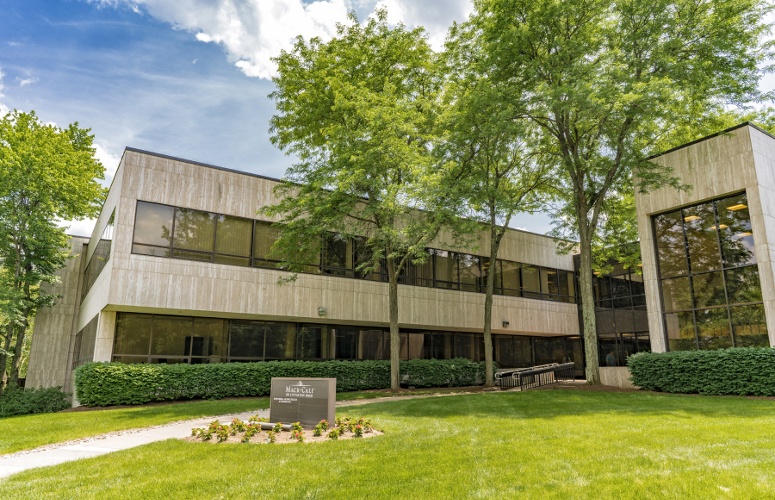
On Mar 24, 2026A Cushman & Wakefield report, highlighting the growing impact of office-to-other-use conversions across New Jersey, finds that approximately 24.2 million square feet (msf) of office space statewide is currently proposed or in the process of conversion to alternative uses, including residential and industrial. Of that total, 10.7 msf remains occupied, representing a significant wave of tenant displacement that is expected to reshape leasing dynamics across the state.
“Office conversions are fundamentally reshaping New Jersey’s commercial real estate landscape,” said Bill Simoneau, senior research manager at Cushman & Wakefield. “With the possibility of more than 10 million square feet of tenants needing to relocate if planned conversions come to fruition, we expect increased competition for high-quality space, particularly in already constrained submarkets. This dynamic will create opportunities for well-positioned landlords with high-quality assets, while accelerating the obsolescence of outdated office product.”
Tenant displacement tied to conversions is equivalent to roughly 25% of all currently vacant office space in New Jersey, underscoring the scale of potential demand. In certain submarkets, including the Upper 287 Corridor and Suburban Passaic, tenant requirements already exceed available vacancy, signaling heightened competition and upward pressure on leasing activity.
As older, underperforming office buildings are removed from inventory, the report notes that displaced tenants are likely to remain within the state, driving a new wave of internal demand. This shift is expected to benefit modern, amenitized office properties that can accommodate evolving tenant needs.
“Conversations with clients about their office space needs are starting much earlier in the leasing cycle, often two to three years before lease expiration. In today’s tight Class A market, we’re taking a highly proactive approach to ensure clients are creating desirable workplaces in the right locations and buildings to drive utilization, employee engagement, and the attraction and retention of talent,” said Josh Cohen, executive managing director of Cushman & Wakefield. “We’re at a unique point in the real estate cycle where significant obsolete inventory is slated for conversion, while other assets are distressed and unable to perform or access capital. This collision is accelerating not just a flight to quality, but a flight to capital and stability. As a result, top-tier space is in high demand and short supply, driving rent growth and competition. As this trend continues, we expect experienced owners and capital to return to reposition and modernize the right assets – the tenant demand is there.”
To access more business news, visit NJB News Now.
Related Articles:

- Accounting
- Artificial Intelligence
- Banking / Financial
- Coronavirus
- Diversity
- Economic Development
- Economy
- Energy
- Environment
- General Business
- Government
- Healthcare
- High-Tech
- Higher Ed
- Infrastructure
- Labor
- Law
- Life Sciences
- Manufacturing
- Meeting Places
- Mergers & Acquisitions
- New Hire/Promotion
- Philanthropy
- Real Estate
- Science & Technology
- Small Business
- Tourism
- Transportation
- Workforce Development
- Special Sections
- Sponsored Content
