

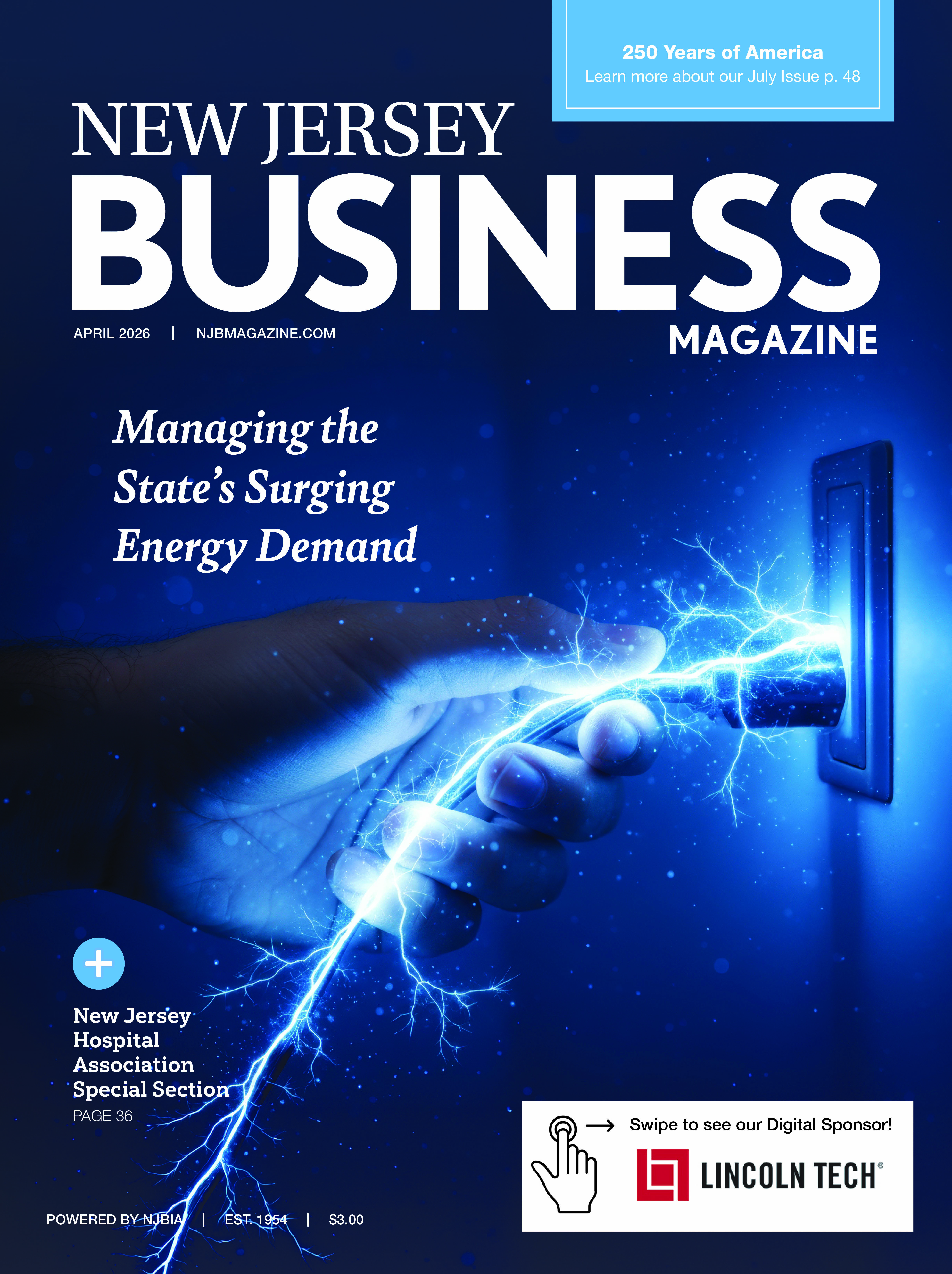
SUE the T. rex Returns to Liberty Science Center
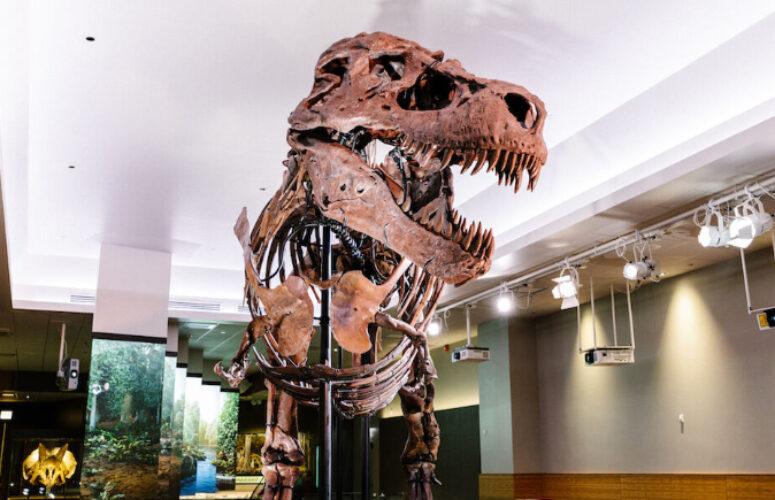
On Oct 3, 2025SUE the T. rex is the most complete, best-preserved Tyrannosaurus rex ever discovered. And this fall, SUE will return to Liberty Science Center in Jersey City for a third time beginning Saturday, October 4. New and returning visitors alike can explore the sights, sounds, and smells of SUE’s world, see casts of real dinosaur fossils, and come face to face with an exact cast of SUE’s skeleton.
“Hosting SUE the T. rex once again at Liberty Science Center is a real thrill,” said Paul Hoffman, President and CEO of Liberty Science Center. “SUE is the most famous fossil in the world, and bringing this extraordinary exhibition to Jersey City gives people across the region the chance to step back in time and experience the awe and wonder of dinosaurs in a completely new way. At Liberty Science Center, we want to spark curiosity and ignite imaginations, and SUE does exactly that.”
SUE’s fossils are on permanent display at the Field Museum in Chicago, so the traveling exhibition gives people all over the world a chance to experience one of the biggest T. rex specimens ever found.
The exhibition features an exact cast of SUE’s skeleton, measuring in at 40 feet from snout to tail and 13 feet tall at the hip. Visitors will be able to see a lot more than just SUE’s skeleton, though, new interactives and digital technologies will highlight the latest scientific discoveries and show people what SUE’s world was like.
To help visualize how SUE would have looked in life, there’s a full-size, fleshed-out replica of a T. rex battling one of its favorite prey: the duck-billed herbivore Edmontosaurus. Visitors will also be able to immerse themselves in SUE’s world.
A giant floor-to-ceiling screen shows realistic animations of SUE interacting with other prehistoric animals, and interactive stations give visitors a chance to smell prehistoric plants and even scientists’ best guess of what SUE’s breath would have smelled like.
The experience also includes a multimedia light show highlighting details of SUE’s skeleton, touchable bronze casts of some of SUE’s bones, and a station where visitors can hear and feel the deep, low rumbling of SUE’s growl.
In addition to the new technologies and interactives that make SUE’s world come alive, this exhibition highlights new scientific discoveries about T. rex in general and SUE in particular. While SUE was first found in 1990, scientists are learning new things about T. rex every day, due in large part to SUE’s incredibly well-preserved bones. In this new traveling exhibition, SUE’s skeleton includes all the latest scientific updates, including an extra set of bones that scientists weren’t quite sure how to position when SUE was first found. These bones, called gastralia, are “belly ribs” that stretched across T. rex’s abdomen and helped it breathe. They make SUE look bigger and more ferocious than ever before.
“We can’t wait to reintroduce SUE to the world,” says Jaap Hoogstraten, the Director of Exhibitions at the Field Museum who oversaw the updates to SUE and the new components of the traveling exhibition. “SUE is the crown jewel of the Field’s collections, and now we’re finally showing them off the way they deserve.”
To access more business news, visit NJB News Now.
Related Articles:
- Accounting
- Artificial Intelligence
- Banking / Financial
- Coronavirus
- Diversity
- Economic Development
- Economy
- Energy
- Environment
- General Business
- Government
- Healthcare
- High-Tech
- Higher Ed
- Infrastructure
- Labor
- Law
- Life Sciences
- Manufacturing
- Meeting Places
- Mergers & Acquisitions
- New Hire/Promotion
- Philanthropy
- Real Estate
- Science & Technology
- Small Business
- Tourism
- Transportation
- Workforce Development
- Special Sections
- Sponsored Content
